Introduction to Fire Protection Systems
In the bustling business environment of Four Oaks, NC, ensuring the safety and security of both employees and assets is paramount. A crucial component of this is installing an effective fire protection system tailored to your specific business needs. With various options available, selecting the right system can be daunting. This guide aims to compare different fire protection systems, helping you make an informed decision in 2026 and beyond.
Understanding Different Fire Protection Systems
Fire protection systems can be broadly categorized into two types: active and passive systems. Active systems involve components that require a certain level of motion or action to work effectively, such as sprinklers and fire alarms. In contrast, passive systems are built into the structure, like fire-resistant walls and doors, which help contain and slow the spread of fire.
Active Fire Protection Systems
- Sprinkler Systems: Automatic sprinkler systems are popular for their ability to quickly control and extinguish fires. In 2026, technological advancements have made these systems more efficient and environmentally friendly, using less water while covering more ground.
- Fire Alarms: Modern fire alarm systems now integrate with smart technologies, offering real-time monitoring and alerts directly to your smartphone or computer. This integration ensures rapid response and minimizes potential damages.
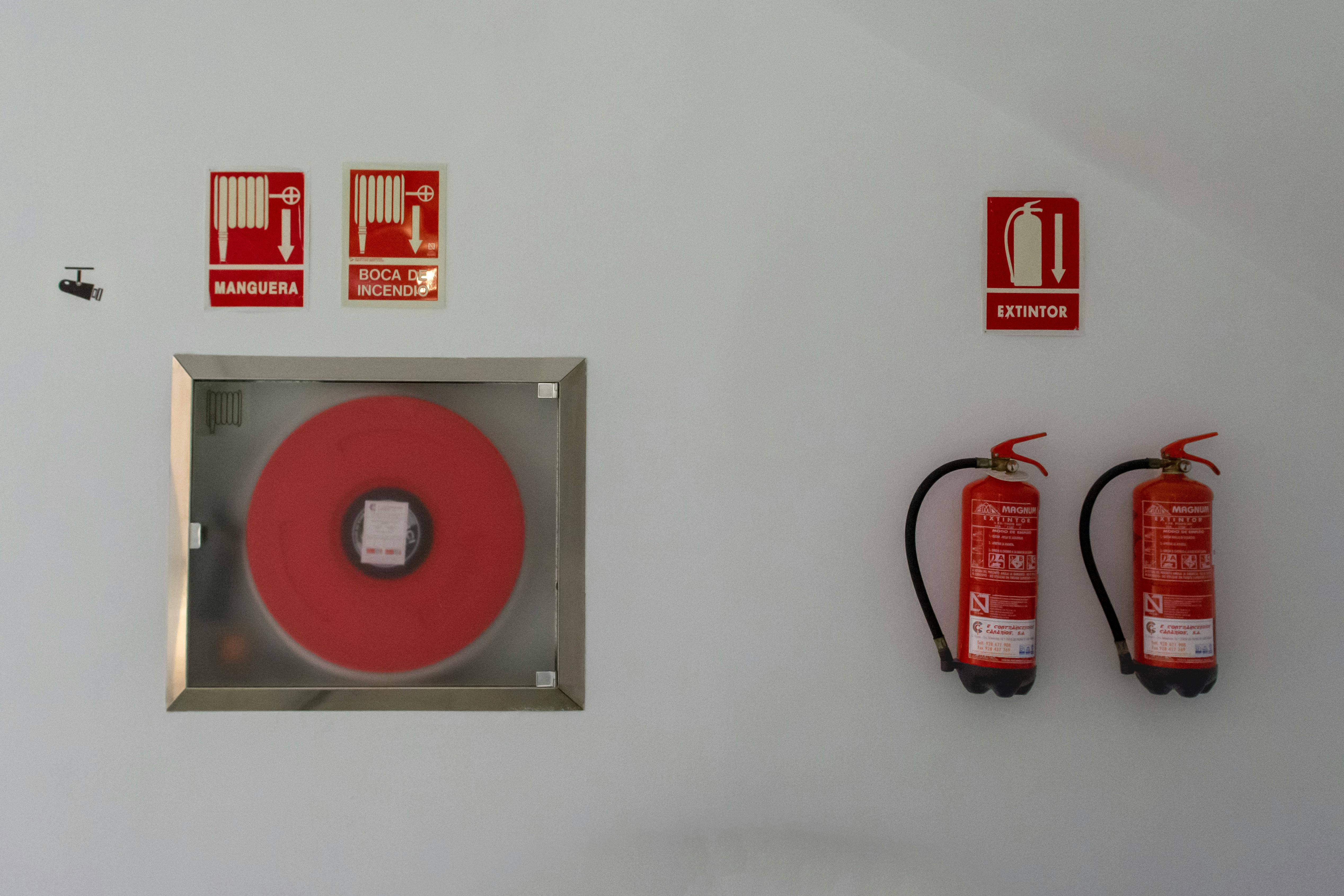
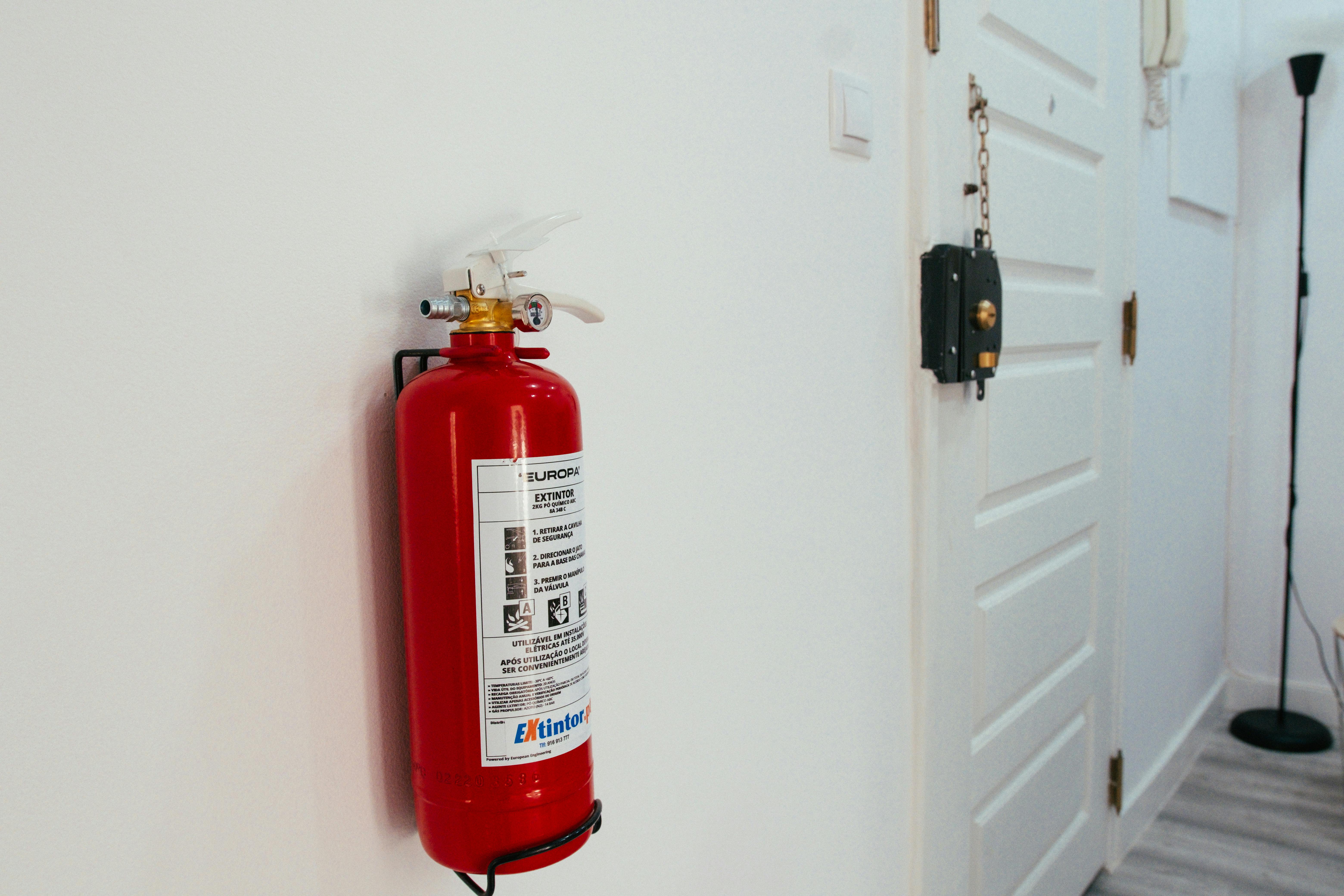
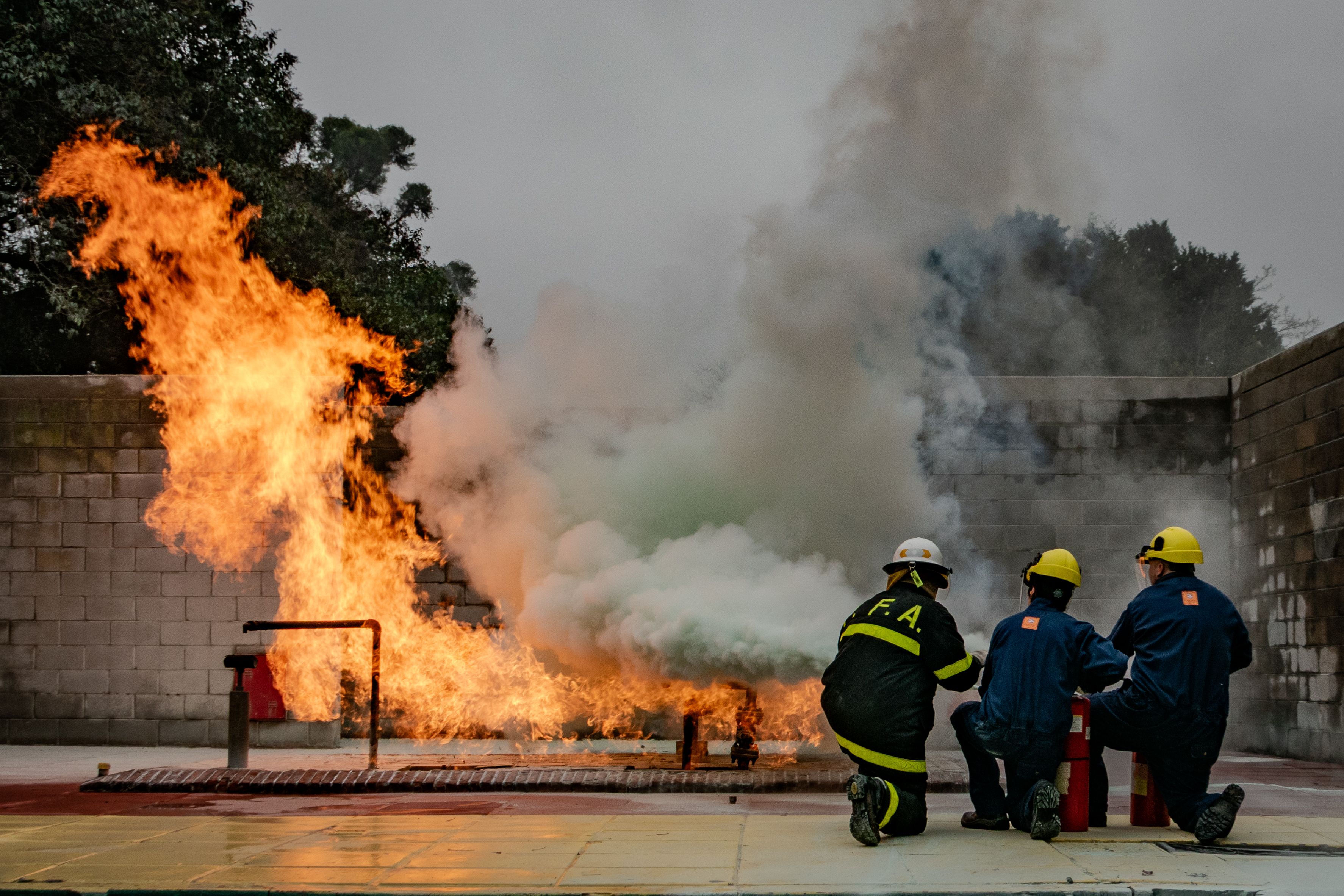
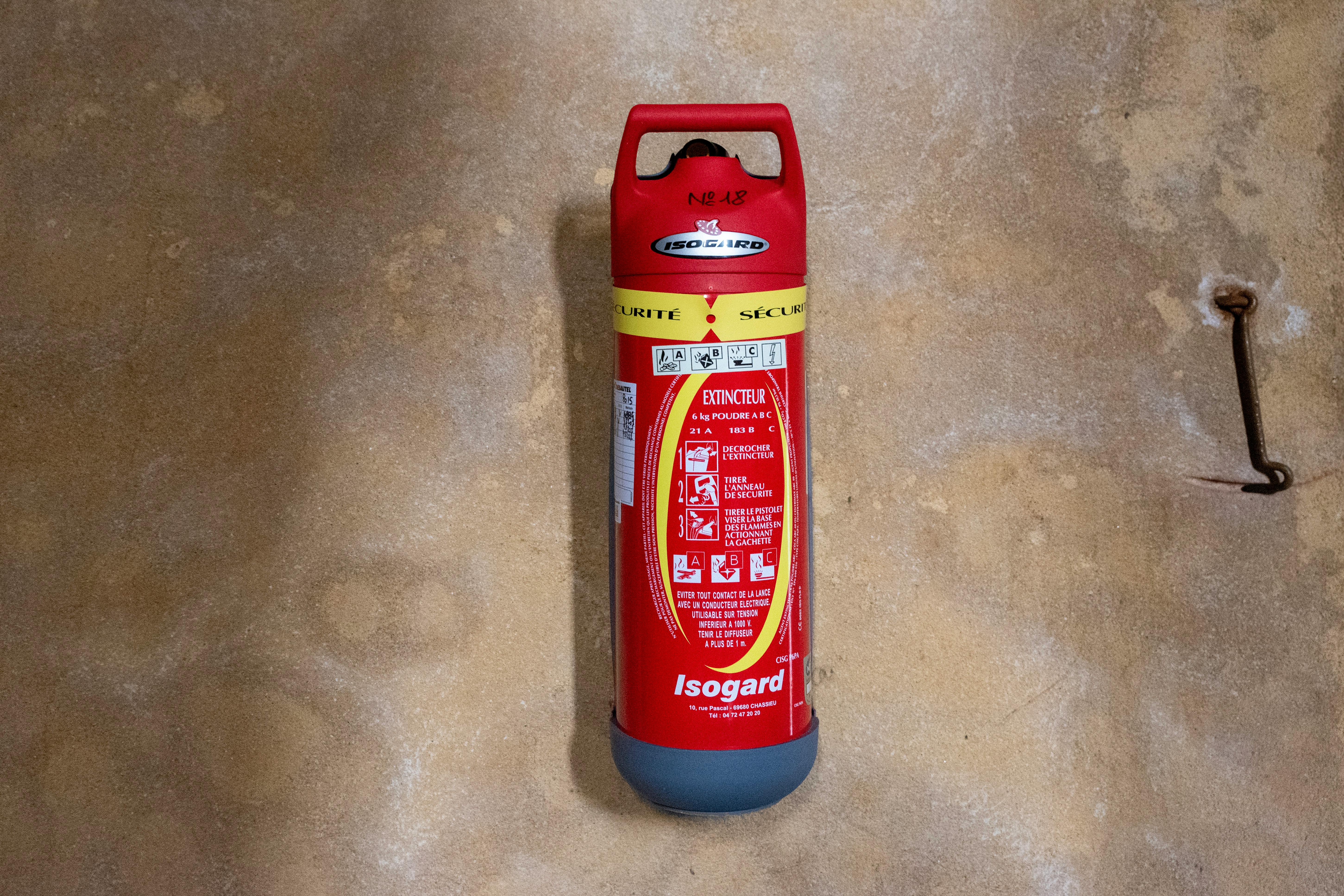
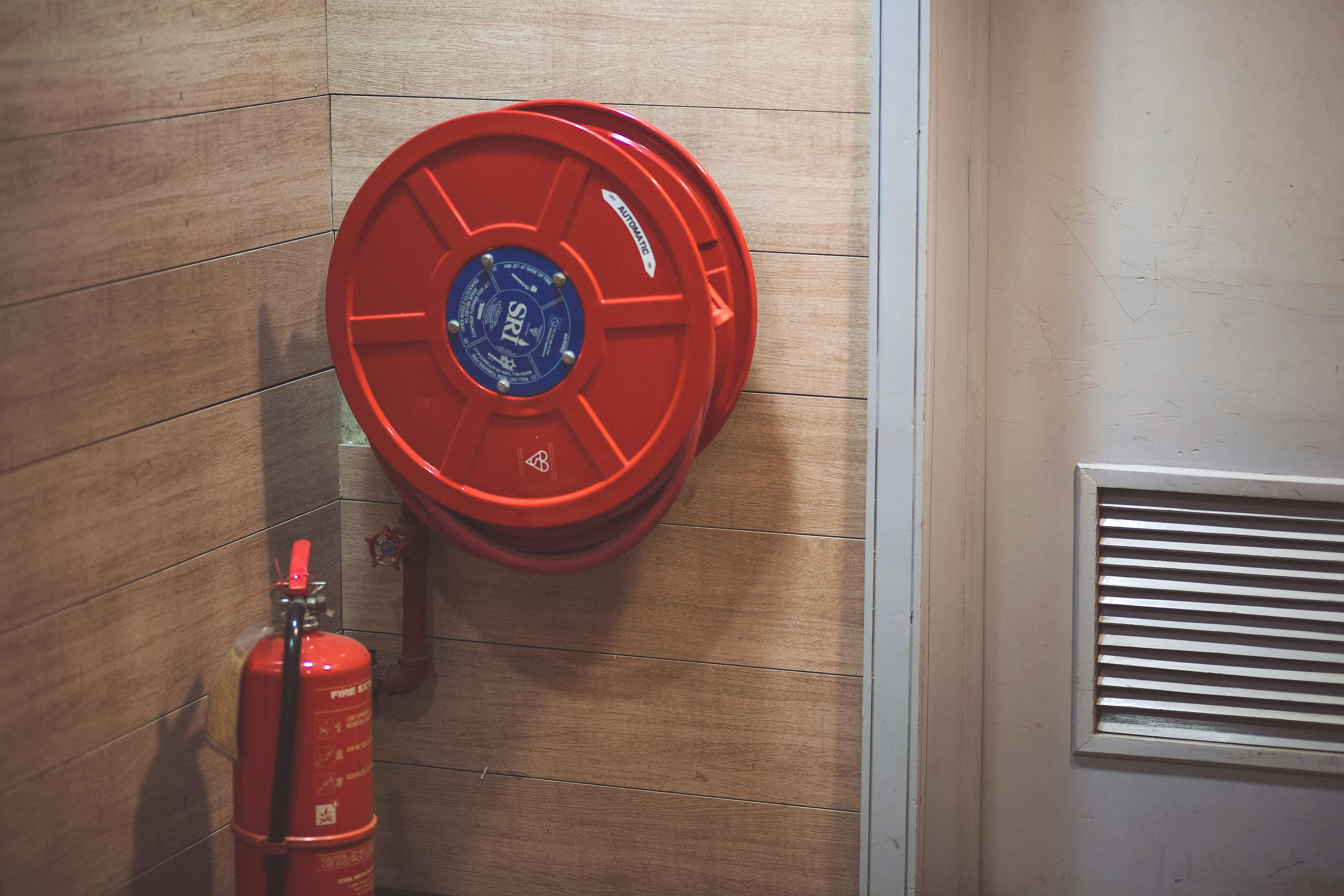
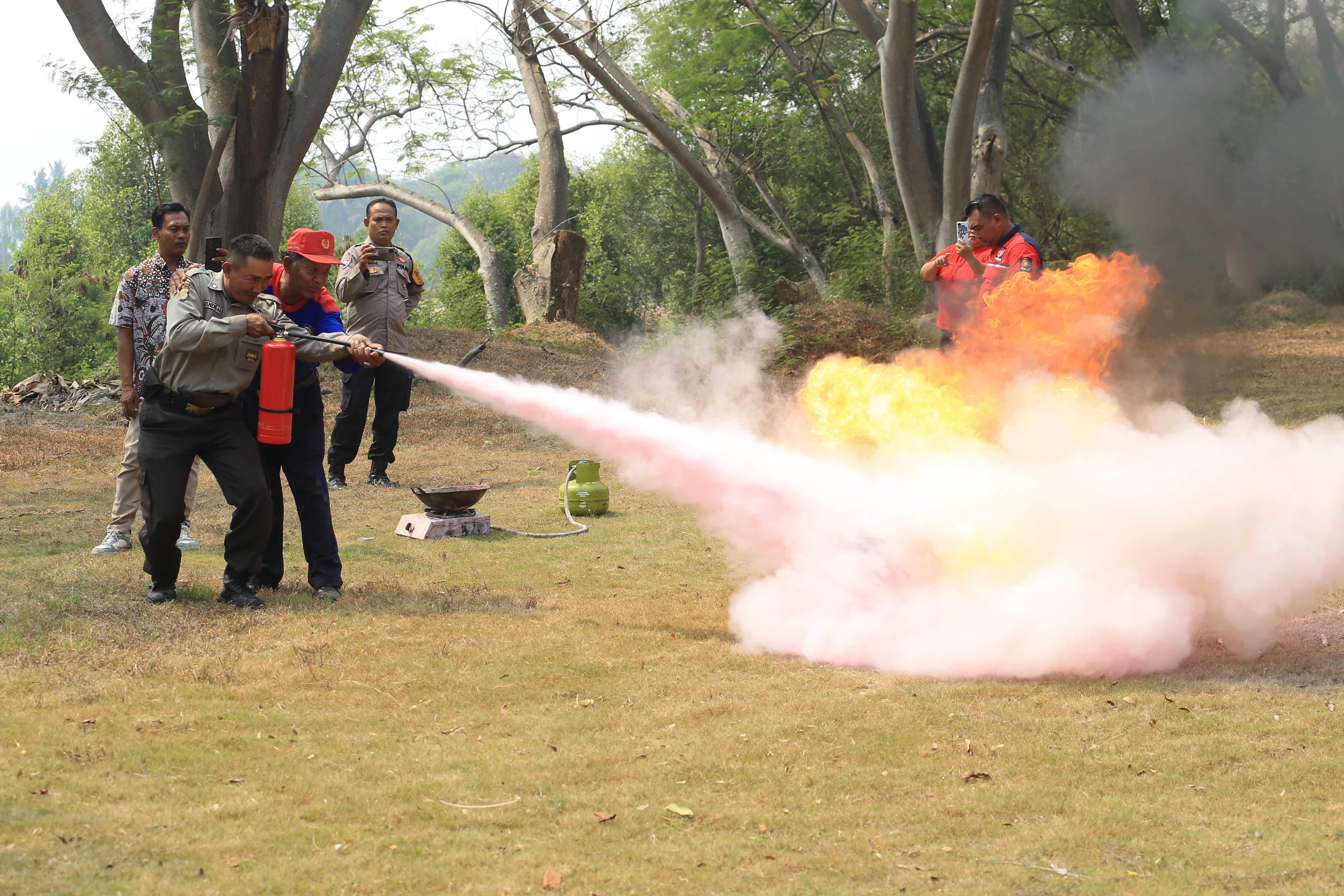
- Extinguishers: Fire extinguishers remain a staple in fire protection. The latest models are more user-friendly and include eco-friendly extinguishing agents that are effective on various types of fires.
Passive Fire Protection Systems
- Fire-Resistant Materials: Incorporating fire-resistant building materials, such as gypsum boards and intumescent coatings, helps contain fire and smoke, providing valuable time for evacuation and response.
- Fire Doors and Windows: These are designed to withstand high temperatures and prevent the spread of fire and smoke between different sections of a building.
Comparing Fire Protection Systems for Businesses
Choosing the right fire protection system for your business involves comparing various factors such as cost, maintenance, efficiency, and regulatory compliance. Here’s a closer look at how different systems stack up against each other:
Cost Comparison
When considering cost, it’s crucial to evaluate both upfront installation expenses and long-term maintenance costs. Sprinkler systems, while initially expensive, are cost-effective in the long run due to their reliability and minimal maintenance needs. Fire alarms are relatively affordable but may incur additional costs for upgrades and monitoring services. Passive systems like fire-resistant materials can have high upfront costs but offer significant savings over time by reducing potential damages and insurance premiums.
Efficiency and Technology
Modern fire protection systems leverage cutting-edge technology to enhance efficiency. Smart fire alarms and sprinkler systems offer quicker response times and better integration with other safety systems. Passive systems, although lacking in technological features, provide consistent protection without the need for external power or human intervention during a fire incident.
Regulatory Compliance
Compliance with local fire safety regulations is non-negotiable. In Four Oaks, NC, businesses must adhere to state and local fire codes, which dictate the minimum requirements for fire protection systems. Active systems such as sprinklers and alarms are often mandatory for commercial establishments, while passive systems can be optional but beneficial for enhanced safety.
Making the Right Choice for Your Business
Determining the best fire protection system for your business involves assessing your specific needs, including the nature of your operations, building size, occupancy, and potential fire hazards. Here are some considerations:
- Nature of Business: For businesses handling flammable materials, advanced sprinkler systems and fire-resistant materials are crucial.
- Building Structure: Older buildings may benefit from upgraded fire alarms and passive fire protection to improve safety standards.
- Budget Constraints: Businesses with tight budgets should focus on cost-effective solutions like fire extinguishers and basic alarms, gradually upgrading as finances allow.
Conclusion: Prioritizing Safety in 2026
In 2026, the landscape of fire protection technology continues to evolve, providing businesses in Four Oaks, NC with a range of options to enhance safety and compliance. By understanding the differences between active and passive systems, evaluating costs, and considering specific business needs, you can select a fire protection system that not only meets regulatory requirements but also ensures the safety and security of your business assets and personnel. For tailored advice and professional installation, consider reaching out to experts like Sparkey’s Fire Extinguisher & Systems.
For more information on choosing the right fire protection system for your business, visit our website or contact our team at Sparkey’s Fire Extinguisher & Systems. Protecting your business has never been more important.