Understanding Fire Safety: Why It's Crucial for Every Home
Fire safety is a vital aspect of homeownership that cannot be overlooked, especially in Four Oaks, North Carolina, where community safety is paramount. For beginners, understanding the essentials of fire safety can make a significant difference in ensuring the safety of your home and loved ones. This guide will walk you through the basics of fire safety, from identifying hazards to implementing effective prevention strategies.
Common Fire Hazards in Homes
Identifying potential fire hazards is the first step in preventing fires. Here are some common hazards found in residential settings:
- Cooking Equipment: The leading cause of home fires, often due to unattended cooking.
- Heating Systems: Portable heaters and fireplaces can ignite nearby objects if not used properly.
- Electrical Systems: Faulty wiring, overloaded circuits, and improper use of extension cords.
- Smoking: Cigarettes and other smoking materials can ignite if not properly extinguished.
- Flammable Liquids: Improper storage of cleaning agents and gasoline.
Essential Fire Prevention Tips for Beginners
Implementing basic fire prevention measures can significantly reduce the risk of fire in your home. Here are some beginner-friendly tips:
- Install Smoke Alarms: Ensure smoke alarms are installed on every level of your home, including inside and outside sleeping areas.
- Test Alarms Regularly: Test alarms monthly and replace batteries at least once a year.
- Develop an Evacuation Plan: Create a clear escape plan and practice it with all household members.
- Maintain Electrical Equipment: Regularly inspect cords and replace damaged ones; avoid overloading outlets.
- Practice Safe Cooking: Never leave cooking unattended and keep flammable objects away from stoves.
Fire Extinguishers: Your First Line of Defense
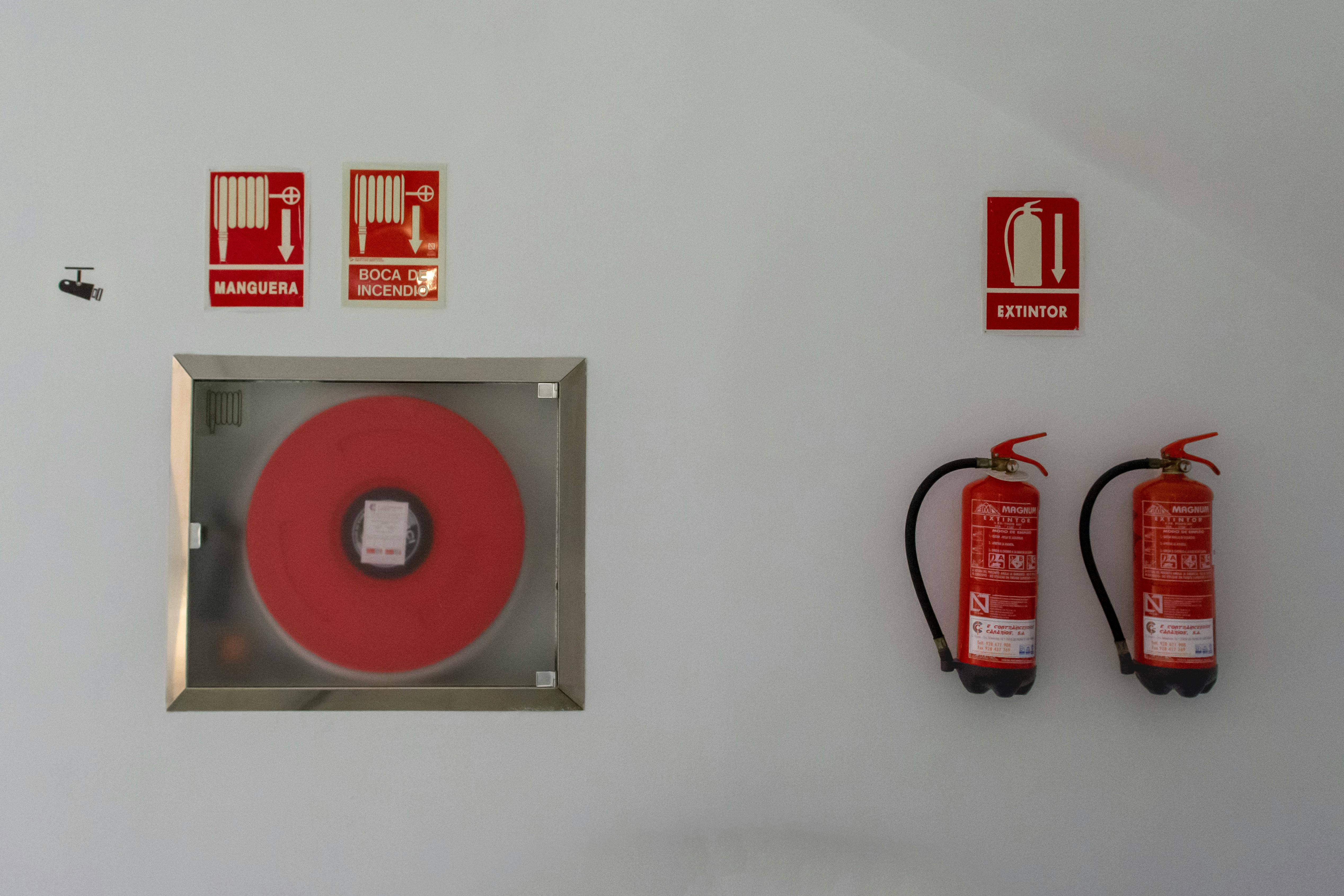
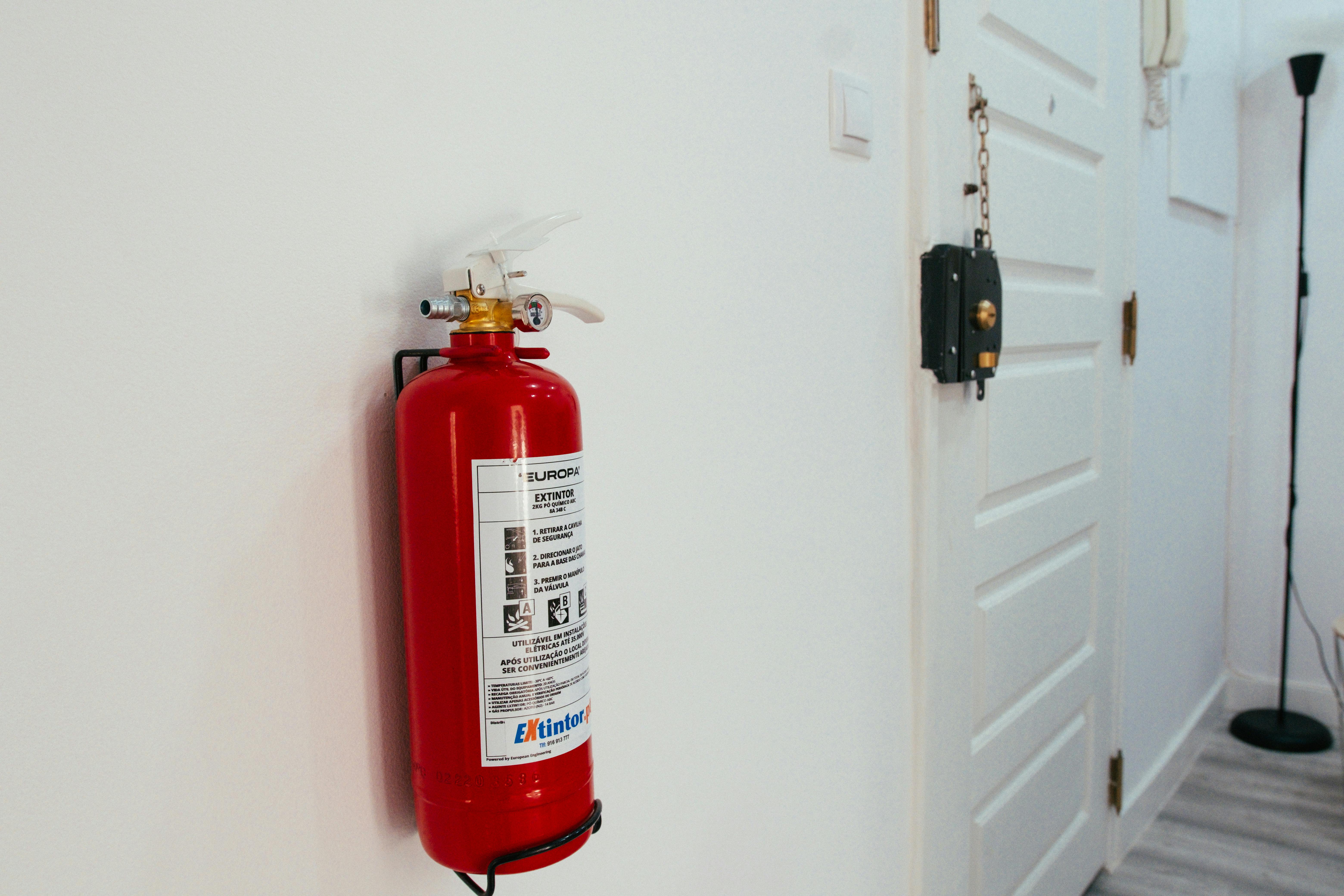
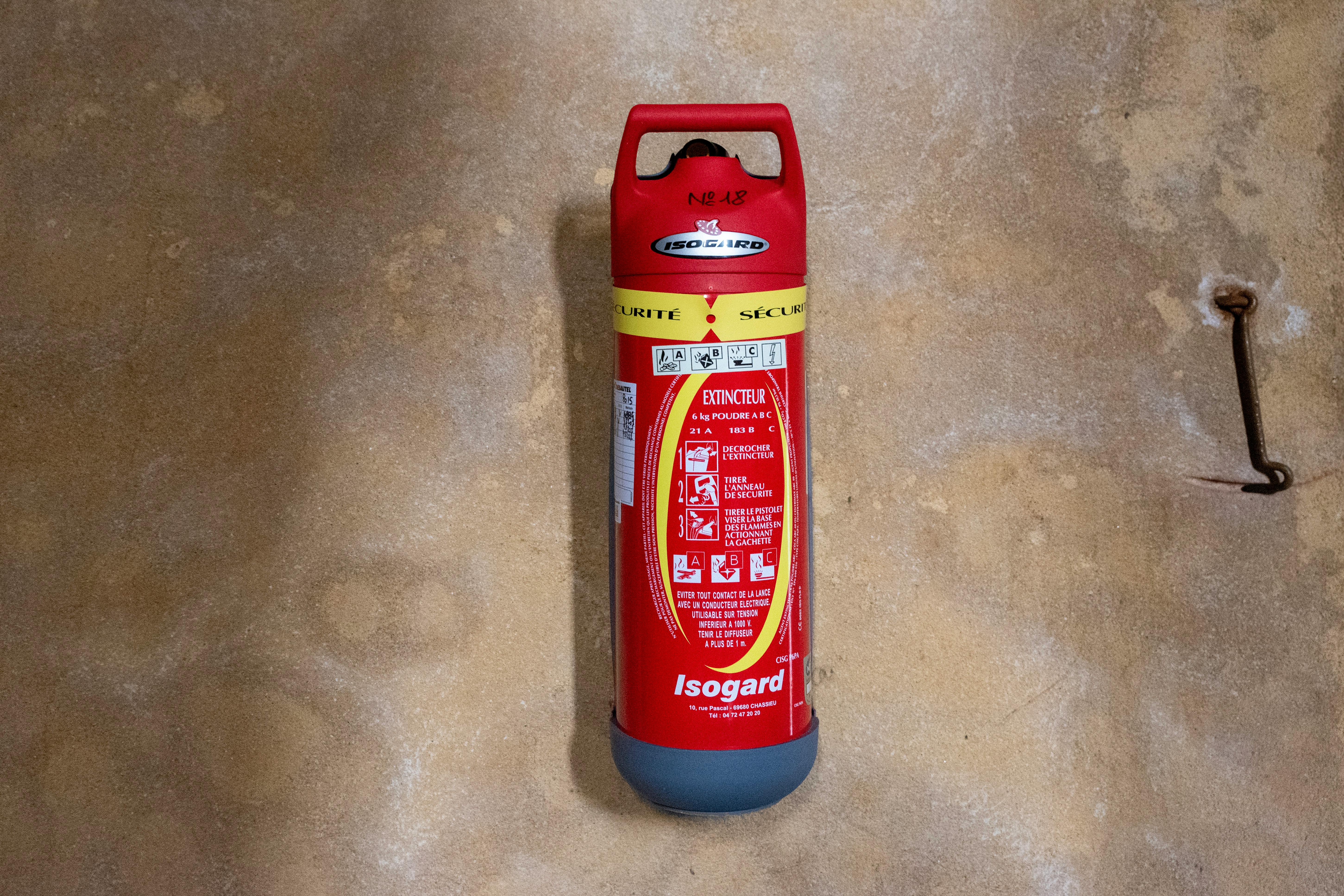
Having a fire extinguisher handy can be crucial in the event of a small fire. Here's what you need to know:
Types of Fire Extinguishers
- Class A: For ordinary combustibles like wood, paper, and cloth.
- Class B: For flammable liquids like grease, gasoline, and oil.
- Class C: For electrical fires.
Ensure you have the appropriate type of extinguisher for your home and know how to use it effectively.
How to Use a Fire Extinguisher
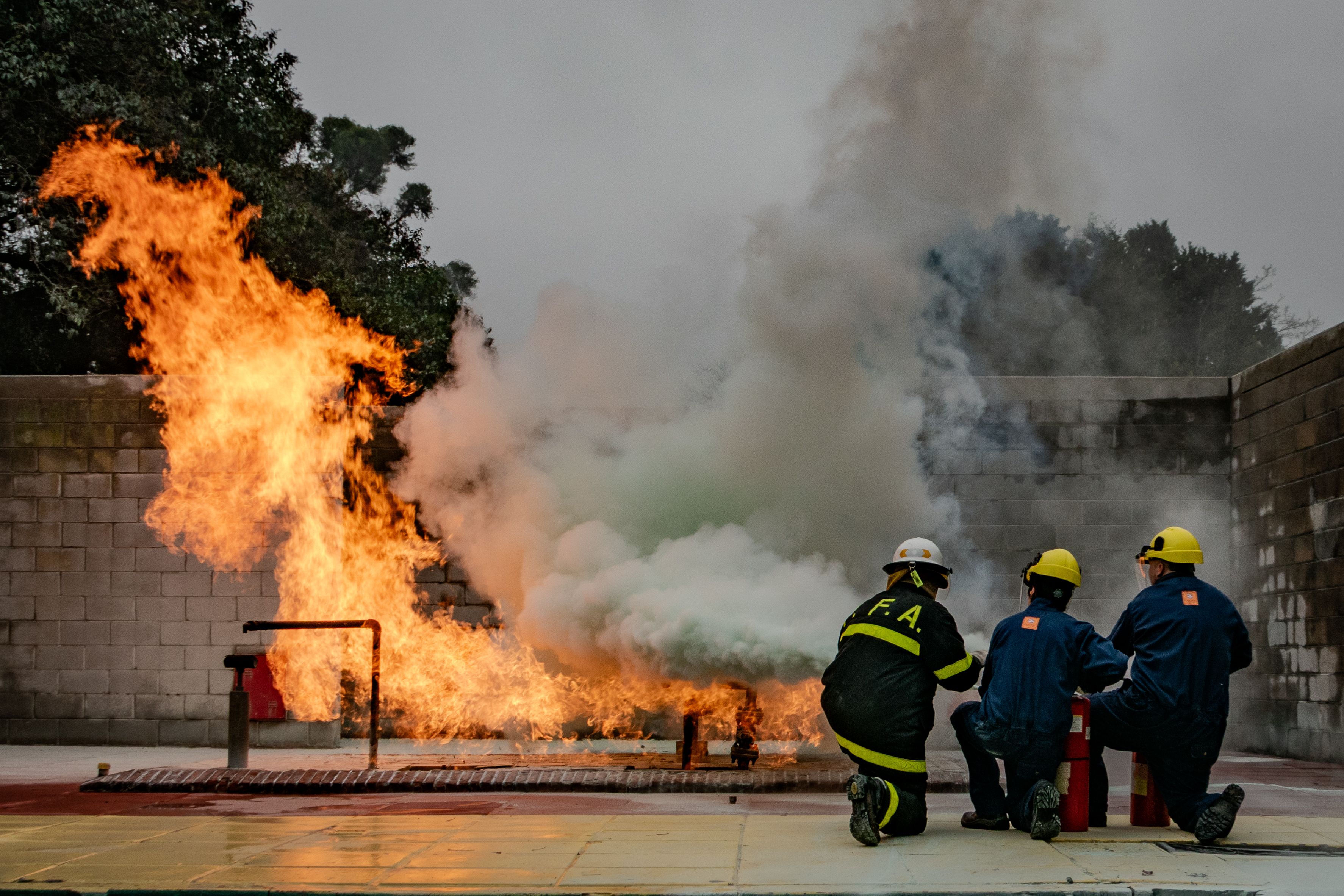
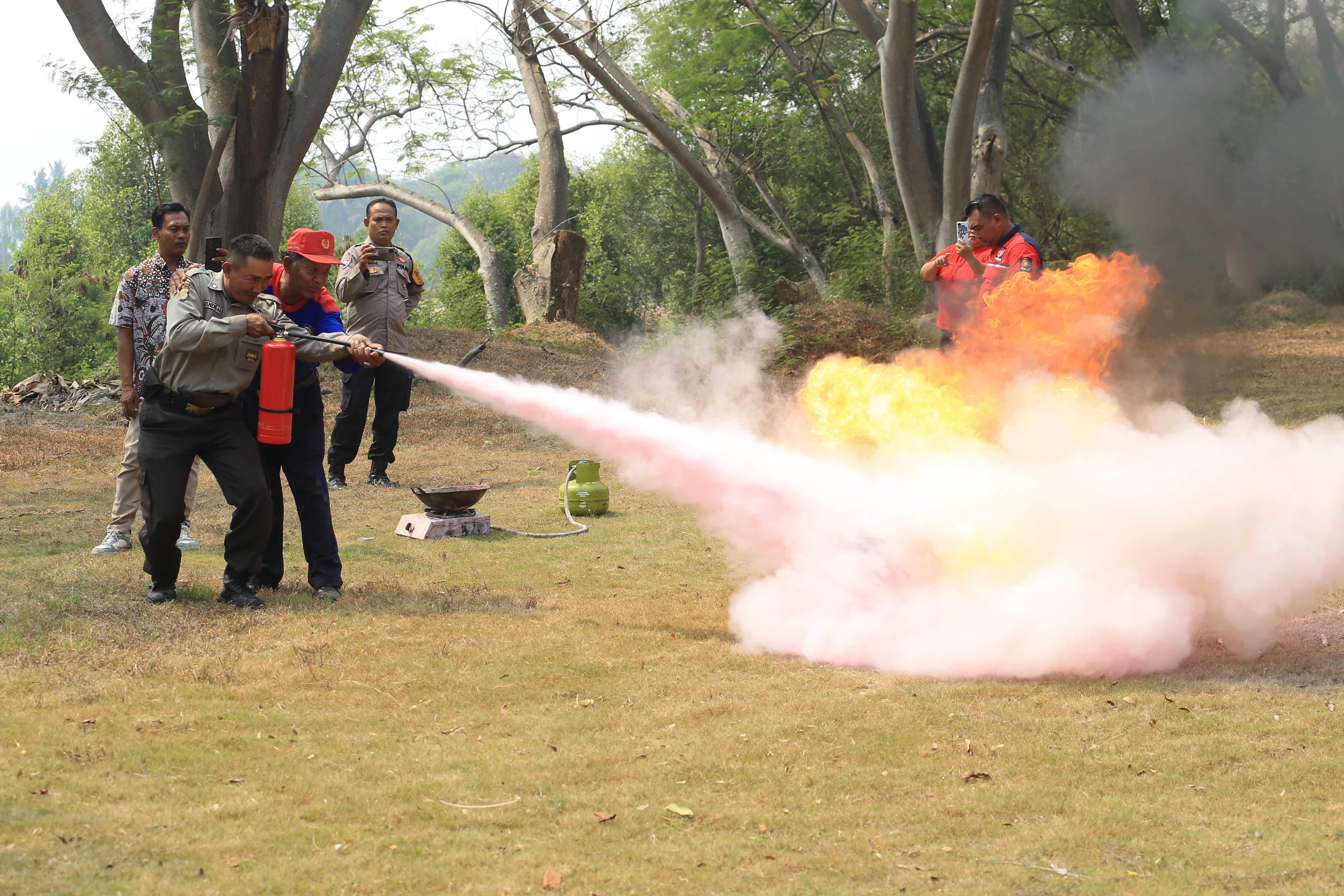
Remember the acronym P.A.S.S. to use a fire extinguisher:
- Pull: Pull the pin to break the tamper seal.
- Aim: Aim low, pointing the nozzle at the base of the fire.
- Squeeze: Squeeze the handle to release the extinguishing agent.
- Sweep: Sweep the nozzle from side to side at the base until the fire is out.
Fire Safety Systems: Enhancing Home Protection
Beyond basic safety measures, installing fire safety systems can provide added protection:
Smoke and Carbon Monoxide Detectors
Ensure these detectors are interconnected so that when one is triggered, all alarms sound. This is crucial for alerting all areas of the home simultaneously.
Residential Sprinkler Systems
These systems can control or extinguish fires before the fire department arrives, reducing damage and increasing survival rates.
Local Resources and Support in Four Oaks
For residents of Four Oaks, Sparkey's Fire Extinguisher & Systems offers expert consultation and installation services to enhance your home's fire safety. Our team is dedicated to providing personalized solutions that fit your specific needs.
Additionally, the Four Oaks Fire Department offers community outreach programs and resources to educate residents on fire prevention and safety.
Conclusion: Prioritize Your Home's Safety Today
Understanding and implementing fire safety measures is an essential part of protecting your home and loved ones. By following this beginner's guide, you can take proactive steps to minimize risks and ensure a safe living environment. For more information or to schedule a consultation, contact Sparkey's Fire Extinguisher & Systems. Our team is here to assist you with all your fire safety needs.